
Planning air travel with children can feel overwhelming, especially when you’re trying to understand airline policies, ticket requirements, seating options, and travel documents. Whether you’re flying with a newborn, toddler, or school-aged child, understanding the Delta Airline Child Booking process before purchasing your tickets can save time, money, and unnecessary stress.
Delta offers several booking options depending on your child’s age and travel needs. Knowing when a child can travel as a lap infant, when a separate seat is required, and how family seating works helps parents make informed decisions and enjoy a smoother travel experience.
Get the Basics
In this guide, you’ll discover:
- How Delta classifies infants and children
- Booking options based on your child’s age
- When children need their own airline ticket
- How family seating works
- Required travel documents
- Helpful travel tips for parents
- Common booking mistakes to avoid
- Frequently asked questions
Understanding Delta Airline Child Booking
Delta Airline Child Booking refers to the process of reserving travel for infants, toddlers, and children based on their age, seating requirements, and destination. Booking rules vary depending on whether the child travels as a lap infant, occupies a separate seat, or flies independently.
Parents should always determine the child’s age on the date of travel because airline policies are generally based on age at departure.
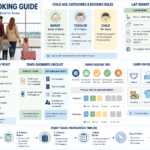
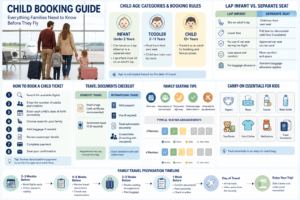
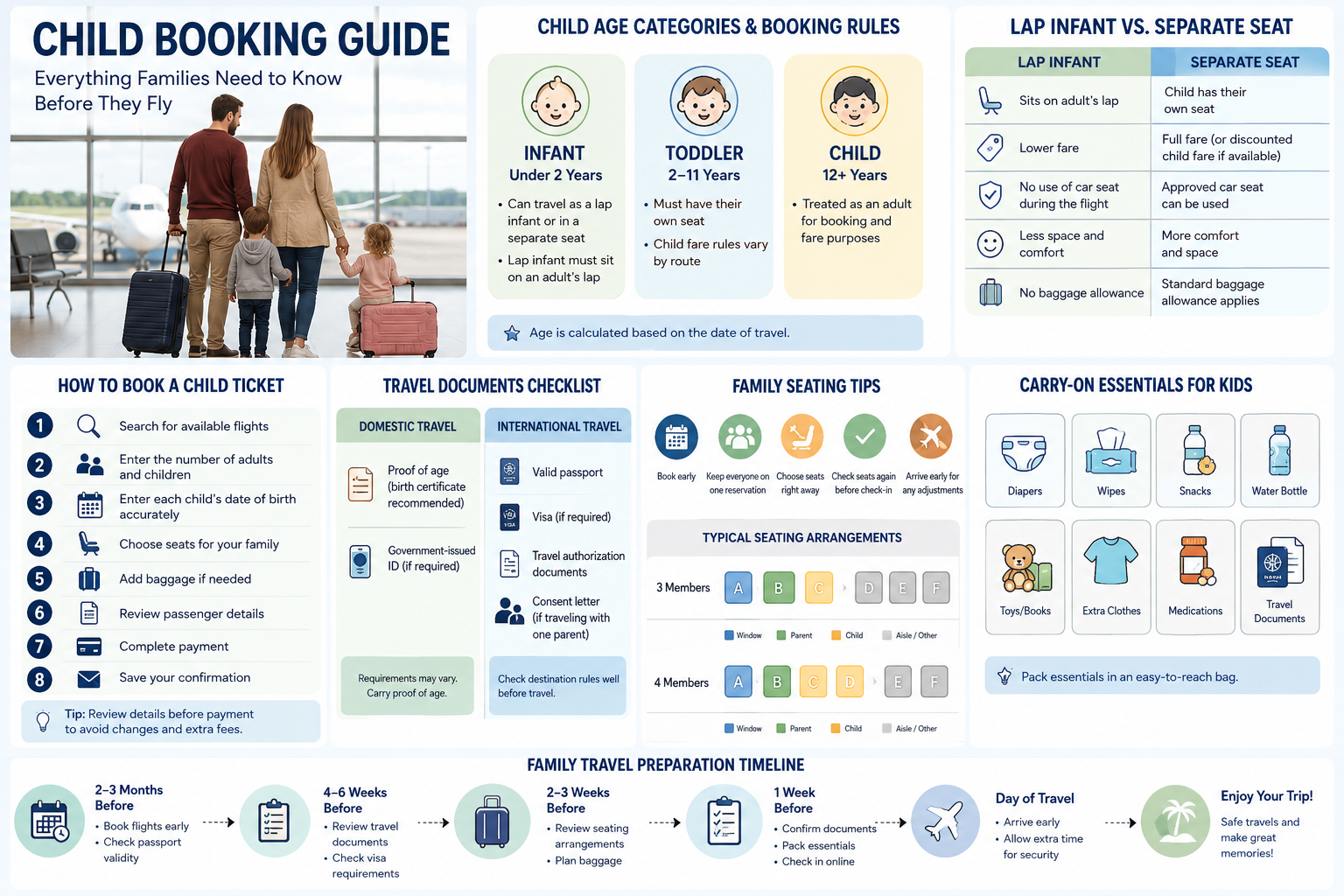
Children usually fall into three broad categories:
| Age Group | Typical Booking Option |
|---|---|
| Under 2 years | Lap infant or separate seat |
| 2 years and older | Separate ticket required |
| Older children | Standard child reservation |
Understanding these categories before booking helps prevent reservation changes later.
Who Needs a Separate Seat?
One of the most common questions parents ask is whether their child requires an individual airline ticket.
In general, children who have reached their second birthday are expected to travel in their own seat. Many parents also choose to purchase a seat for younger infants because it offers additional comfort and allows the use of an approved child restraint system during the flight.
A separate seat can provide several benefits:
- More personal space
- Easier feeding during longer flights
- Better sleeping arrangements
- Improved safety when using an approved child seat
- Greater comfort for parents
Families taking cross-country or international flights often find that purchasing a seat for an infant improves the overall travel experience.
Booking Options for Infants and Young Children
Parents have several booking choices depending on their travel plans.
Lap Infant
A lap infant travels while seated on an accompanying adult’s lap rather than occupying an individual passenger seat. This option is generally available for very young children who meet the airline’s age requirements.
Lap infant travel may be suitable for:
- Short domestic trips
- Parents traveling light
- Flights with limited duration
- Families seeking to reduce travel costs
Child With Reserved Seat
Many parents choose to reserve a dedicated seat for their child regardless of age.
Benefits include:
- Increased comfort
- Better safety using an approved child restraint
- Easier sleeping during flights
- More space for feeding and changing essentials
- Reduced crowding during long journeys
This option is especially popular for flights lasting more than three hours.
Step-by-Step Guide to Booking a Child Ticket
Booking a child’s reservation is easier when completed systematically.
- Search for available flights that match your travel dates.
- Enter the total number of adult and child passengers accurately.
- Verify each child’s date of birth before continuing.
- Review available fare options.
- Choose seats early to improve the chances of sitting together.
- Add baggage if needed.
- Review passenger details carefully.
- Complete payment.
- Save the booking confirmation.
- Double-check all travel documents before departure.
Many booking errors occur because travelers accidentally enter an incorrect birth date or select the wrong passenger category. Reviewing the reservation before payment can help avoid changes later.
Family Seating and Travel Convenience
Sitting together is one of the highest priorities for families traveling with young children. Selecting seats during the booking process often provides the best opportunity to keep everyone together, especially during busy travel periods.
Parents can improve their seating experience by:
- Booking flights as early as possible.
- Making reservations under one itinerary.
- Choosing seats immediately after ticket purchase.
- Checking seat availability before online check-in.
- Arriving at the airport early if seating adjustments are needed.
Families traveling with multiple children may benefit from planning their seating arrangements well in advance, particularly on full flights or during holiday travel.
Required Travel Documents for Children
Before heading to the airport, ensure your child has the correct travel documents. Requirements vary depending on whether the flight is domestic or international and may also depend on the child’s age and destination.
For domestic travel, younger children may not always need government-issued identification, but carrying proof of age, such as a birth certificate, is recommended if requested during check-in or boarding.
International travel typically requires additional documentation, including:
- A valid passport
- Any required visas
- Travel authorization documents
- Consent letters when applicable
- Supporting identification documents
Parents traveling alone with a child should also verify whether the destination country recommends or requires a notarized consent letter from the non-traveling parent.
Preparing these documents well before departure reduces stress and helps avoid delays at the airport.
Family Seating Policies Explained
Families naturally want to sit together, especially when traveling with young children. While seating availability depends on the aircraft layout and booking conditions, selecting seats early significantly improves the likelihood of remaining together.
Best practices include:
- Reserve seats immediately after purchasing tickets.
- Keep all travelers on one reservation.
- Check seating again before online check-in opens.
- Arrive at the airport early if changes are needed.
- Ask the gate agent for assistance if seats become separated.
Parents should avoid waiting until airport check-in to choose seats, as popular flights often have limited availability.
Tips for Better Family Seating
- Book flights several weeks or months in advance.
- Avoid booking separate reservations.
- Select flights with more available seats.
- Review seating maps periodically before departure.
- Consider flexible travel dates during peak seasons.
Baggage Allowance for Children
Children generally have baggage allowances similar to adult passengers when traveling on a purchased ticket, although allowances may differ depending on the fare type and destination.
Parents should confirm baggage rules before packing.
Typical baggage planning includes:
- Carry-on luggage
- Personal item
- Checked baggage
- Stroller
- Child safety seat
- Diaper bag for infants
Helpful packing checklist:
- Extra clothing
- Baby formula or snacks
- Diapers and wipes
- Toys or books
- Charging cables
- Medications
- Refillable water bottle
- Travel blanket
Keeping essential items in your carry-on makes long flights much easier.
Traveling with Infants
Flying with an infant requires additional planning, but a few simple preparations can make the journey much smoother.
Parents often find these recommendations helpful:
- Feed infants during takeoff and landing to help relieve ear pressure.
- Dress babies in comfortable layers.
- Pack more diapers than expected.
- Bring familiar toys or blankets.
- Keep medications easily accessible.
- Arrive at the airport earlier than usual.
Many experienced travelers recommend organizing baby supplies into separate pouches so they are easy to access during the flight.
Traveling with Toddlers
Toddlers are energetic and curious, making entertainment an essential part of the trip.
Ideas to keep toddlers occupied include:
- Coloring books
- Small puzzles
- Downloaded cartoons
- Audiobooks
- Sticker books
- Healthy snacks
- Interactive games
Frequent movement before boarding can also help toddlers remain calmer during longer flights.
Traveling with Older Children
School-age children generally require less assistance but still benefit from preparation.
Parents should encourage children to:
- Carry their own small backpack.
- Keep travel documents organized.
- Follow airport security instructions.
- Stay close during boarding.
- Understand basic travel etiquette.
Giving children small responsibilities often makes them feel more involved and confident during the journey.
International Travel with Children
International travel involves additional planning beyond booking tickets.
Families should verify:
- Passport validity
- Entry requirements
- Visa regulations
- Vaccination recommendations
- Customs restrictions
- Travel insurance coverage
Creating a checklist several weeks before departure helps ensure nothing is forgotten.
International Travel Checklist
| Item | Verify Before Departure |
|---|---|
| Passport | Valid for required period |
| Visa | If required |
| Travel Insurance | Active policy |
| Vaccination Records | If applicable |
| Emergency Contacts | Printed and digital copies |
| Hotel Reservations | Confirmed |
| Return Ticket | Available if required |
Common Mistakes Parents Should Avoid
Many travel issues can be prevented with careful planning.
Avoid these common mistakes:
- Entering an incorrect birth date.
- Waiting too long to choose seats.
- Forgetting passports for international travel.
- Packing important medications in checked baggage.
- Assuming every country has identical entry rules.
- Arriving late at the airport.
- Forgetting snacks and entertainment for children.
- Not reviewing baggage allowances.
- Booking family members under separate reservations.
- Failing to review reservation details before payment.
Checking every detail before departure reduces the chance of unexpected problems.
Expert Tips for Stress-Free Family Travel
Frequent travelers and family travel specialists recommend planning every stage of the journey in advance.
Helpful strategies include:
- Book flights as early as possible.
- Travel during less crowded times when feasible.
- Download boarding passes before leaving home.
- Pack an extra change of clothes for young children.
- Bring portable chargers for electronic devices.
- Label every child’s belongings.
- Allow extra time for airport security.
- Keep travel documents together in one folder.
- Prepare children for the airport experience beforehand.
- Maintain a flexible attitude when traveling with young kids.
Even small preparations can make a significant difference in reducing travel stress.
Quick Answers
How do I book a child on Delta Airlines?
Enter the correct number of adults and children during the booking process, provide each child’s accurate date of birth, review available fares, select seats, and complete the reservation. Double-check passenger information before payment to avoid correction fees or reservation changes.
Can an infant travel without a separate seat?
Eligible infants may travel as lap infants on certain itineraries, while many parents choose to purchase a separate seat for additional comfort and the option to use an approved child restraint system.
Should I choose seats early?
Yes. Selecting seats immediately after booking offers the best opportunity for families to sit together, particularly during holidays and other busy travel periods.
What documents should children carry?
Domestic travel may require proof of age in some situations, while international travel generally requires a valid passport and any destination-specific travel documents.
Conclusion
Planning a Delta Airline Child Booking doesn’t have to be complicated when you understand the booking process, age requirements, seating options, baggage rules, and travel documentation in advance. Whether you’re traveling with a newborn, toddler, or older child, preparing early helps create a smoother and more enjoyable journey for the entire family.
Booking flights well ahead of your travel dates, verifying each child’s information carefully, selecting family seating early, and organizing all necessary travel documents can prevent many common travel issues. With thoughtful planning and attention to detail, families can spend less time worrying about logistics and more time enjoying their trip together.
Frequently Asked Questions
Can I add a child to an existing reservation?
In many cases, it is possible to add a child or infant to an existing reservation, though the process may vary depending on the itinerary and destination. Contact the airline as soon as possible after booking if changes are needed.
Does Delta offer discounted child fares?
Child fare availability depends on the route, fare class, and current pricing. Many domestic tickets are priced similarly to adult fares, while specific promotions may occasionally apply.
Can I travel with twins as lap infants?
Generally, one adult may accompany one lap infant. Families traveling with more than one lap infant typically need an additional accompanying adult or a purchased seat for the second infant.
What happens if my child turns two before the return flight?
If a child reaches their second birthday before any segment of the itinerary, a purchased seat may be required for the applicable portion of the trip.
Can I bring a stroller to the airport?
Most airlines allow parents to bring a stroller to the airport for use before boarding, with options for checking it before the flight.
Are child safety seats allowed on board?
FAA-approved child restraint systems are generally permitted when used according to airline and manufacturer guidelines.
How early should families arrive at the airport?
Families traveling with young children should plan to arrive earlier than standard recommendations to allow extra time for check-in, baggage, and security screening.
Can children earn frequent flyer miles?
Eligibility depends on the airline’s loyalty program and enrollment requirements. Children can often have their own loyalty accounts.
What if my child becomes sick before travel?
Review the fare conditions and contact the airline promptly to discuss available options if illness affects your travel plans.
Is travel insurance recommended for family trips?
Travel insurance can provide financial protection against covered trip cancellations, delays, baggage issues, and certain medical emergencies, making it a worthwhile consideration for many families.