
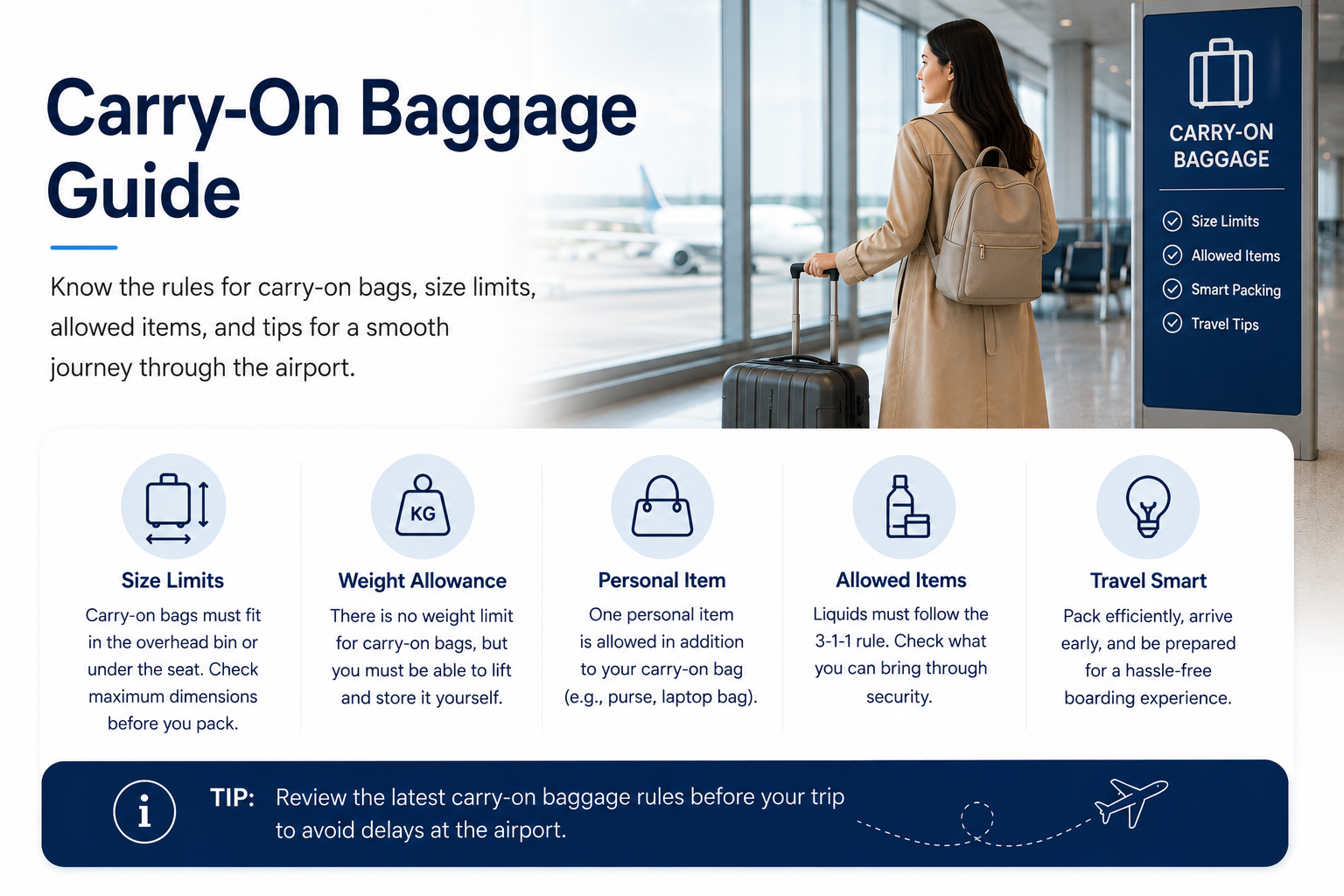
Traveling with the right luggage can make your airport experience faster, easier, and stress-free. Understanding airline baggage rules before arriving at the airport helps prevent unexpected fees, delays, or the frustration of having to check a bag at the gate. Alaska Airline Carry-On Baggage guidelines explain what passengers can bring inside the aircraft cabin, including carry-on luggage requirements, personal item rules, and important restrictions.
Whether you are flying for business, a family vacation, or a short weekend trip, knowing the correct carry-on requirements helps you pack smarter and travel comfortably. Alaska Airlines passengers often have questions about bag size limits, allowed items, ticket-type differences, and whether their backpack or suitcase qualifies as cabin baggage.
This complete guide explains Alaska Airlines carry-on baggage rules, practical packing advice, common mistakes to avoid, and everything travelers need before their next flight.
What You’ll Learn
In this guide, you will discover:
- Alaska Airlines carry-on baggage size requirements
- Personal item rules and examples
- Carry-on allowance by ticket type
- Items allowed and restricted in cabin bags
- Packing tips for avoiding baggage problems
- Common carry-on mistakes travelers make
- Frequently asked questions about Alaska Airlines luggage rules
What Is Alaska Airline Carry-On Baggage?
Alaska Airline carry-on baggage refers to the luggage passengers are allowed to bring inside the aircraft cabin instead of checking into the cargo compartment. These bags are stored either in the overhead bin above the seats or underneath the seat in front of the passenger.
A typical carry-on setup includes:
- One standard carry-on bag
- One personal item such as a purse, backpack, or laptop bag
Carry-on baggage is designed for travelers who want quick boarding, faster airport exit times, and fewer checked luggage fees.
For many passengers, traveling only with cabin baggage is convenient because it eliminates waiting at baggage claim after landing.
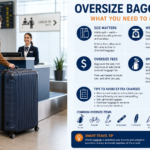
Alaska Airline Carry-On Baggage Size Limit
One of the most important things travelers need to know is the maximum size allowed for carry-on luggage.
The standard Alaska Airlines carry-on bag size limit is:
| Bag Type | Maximum Size |
|---|---|
| Carry-on bag | 22 x 14 x 9 inches (including wheels and handles) |
| Personal item | Must fit under the seat |
The measurement includes all parts of the luggage, including:
- Wheels
- Handles
- Side pockets
- External compartments
Passengers should measure their bags before traveling because even a slightly oversized suitcase may not fit in overhead storage.
How to Measure a Carry-On Bag Correctly
Follow these steps:
- Place the suitcase on a flat surface.
- Measure the height from the floor to the highest point.
- Measure the width from one side to another.
- Measure the depth from front to back.
- Include wheels and handles in total measurements.
Many travelers make the mistake of measuring only the main suitcase body and forgetting additional parts.
Does Alaska Airline Allow Free Carry-On Bags?
For most Alaska Airlines passengers, a standard carry-on bag and personal item are included with the ticket.
Passengers generally do not pay a separate fee for a compliant carry-on bag if it meets airline requirements.
However, baggage rules can vary depending on:
- Ticket type
- Route
- Aircraft availability
- Operational restrictions
Travelers should always check their reservation details before departure, especially for special fares or smaller regional aircraft.
Carry-On vs Personal Item: What Is the Difference?
Many passengers confuse carry-on bags and personal items because both are brought into the cabin.
A carry-on bag is larger luggage stored in the overhead compartment.
Examples include:
- Rolling suitcase
- Cabin-size luggage
- Travel duffel bag
A personal item is smaller and must fit underneath the seat.
Examples include:
- Backpack
- Laptop bag
- Purse
- Small handbag
- Camera bag
A simple rule:
Carry-on = overhead bin storage
Personal item = under-seat storage
Smart travelers use their personal item for important items they need during the flight, such as:
- Passport
- Wallet
- Electronics
- Medication
- Chargers
- Headphones
Alaska Airlines Carry-On Rules by Fare Type
Carry-on allowances may vary depending on the fare purchased.
Main Cabin Travelers
Most Main Cabin passengers can bring:
- One carry-on bag
- One personal item
This option works well for travelers who want flexibility without checking luggage.
First Class Travelers
First Class passengers receive the same cabin baggage allowance but may benefit from:
- Priority boarding
- Better overhead bin availability
- More convenient boarding experience
Premium Class Travelers
Premium Class passengers can also bring cabin baggage according to standard carry-on requirements.
Saver Fare Passengers
Saver fares are designed as lower-cost options and may have additional restrictions compared with other ticket types.
Passengers booking discounted fares should review their specific reservation details before traveling.
Alaska Airline Carry-On Baggage Rules for Domestic and International Flights
Alaska Airlines serves a wide range of domestic and international routes, and carry-on baggage requirements generally remain consistent across most flights. However, travelers should consider aircraft type, destination regulations, and operational limitations when preparing their cabin luggage.
For domestic flights within the United States, passengers usually follow standard Alaska Airlines carry-on size guidelines. International flights may involve additional considerations because of airport security rules, customs procedures, and destination-specific restrictions.
Alaska Airline Carry-On Baggage for Domestic Flights
For domestic travel, passengers should prepare their carry-on bags according to these guidelines:
- Carry-on luggage must fit within the approved cabin size limits.
- Personal items must fit completely under the seat.
- Bags that cannot fit safely may need to be checked.
- Passengers should allow extra time if traveling with larger electronic equipment or special items.
Examples of suitable domestic carry-on bags include:
- Small rolling suitcase
- Cabin backpack
- Soft-sided travel bag
- Compact business luggage
A smart approach is choosing lightweight luggage because the available overhead space can vary depending on the aircraft.
Alaska Airline Carry-On Baggage for International Flights
International travelers should consider additional factors:
- Security rules may differ by airport.
- Some countries have stricter liquid regulations.
- Certain food, agricultural products, or medical items may have restrictions.
- Connecting flights operated by partner airlines may follow different baggage rules.
Before an international trip, passengers should confirm requirements for:
- Departure airport
- Connecting airports
- Final destination
A bag accepted on one flight may face different rules during a connection with another airline.
What Items Are Allowed in Alaska Airline Carry-On Bags?
Knowing what can be packed in cabin luggage helps travelers avoid delays during security screening.
Common permitted carry-on items include:
- Clothing
- Books and magazines
- Travel documents
- Personal electronics
- Chargers and cables
- Cameras
- Small personal accessories
- Approved toiletries
Many travelers use their carry-on bag for valuable items because cabin luggage remains with them throughout the journey.
Electronics in Carry-On Baggage
Passengers commonly pack:
- Laptops
- Tablets
- Smartphones
- Cameras
- Power banks
- Headphones
Electronic devices are generally recommended in carry-on luggage instead of checked bags because they are easier to access and monitor.
During security screening, travelers may need to remove certain electronic devices depending on airport procedures.
Medication and Medical Items
Travelers carrying medication should keep important medicines in their personal item rather than checked luggage.
Helpful tips:
- Keep medication in original packaging when possible.
- Carry prescriptions or supporting documents for special medications.
- Pack essential medical supplies where they are easily accessible.
This ensures access during delays or unexpected travel changes.
Alaska Airline Carry-On Baggage Liquid Rules
Carry-on liquids are subject to airport security regulations. Most travelers follow the common TSA liquid rule:
- Liquids, gels, and aerosols must usually be in containers of 3.4 ounces (100 millilitres) or less.
- Containers should fit inside a single clear quart-sized bag.
- Larger liquid containers may need to be packed in checked baggage.
Examples of commonly packed liquids include:
- Shampoo
- Toothpaste
- Lotion
- Perfume
- Contact lens solution
Some exceptions may apply for:
- Prescription medication
- Baby formula
- Medical necessities
Passengers should check current TSA requirements before departure because security rules can change.
Items Not Allowed in Alaska Airline Carry-On Baggage
Certain items cannot be transported inside cabin luggage because of safety regulations.
Common restricted items include:
- Sharp objects
- Large tools
- Explosive materials
- Flammable substances
- Certain sporting equipment
- Weapons or weapon-like items
Travelers should review security requirements before packing.
A common mistake is assuming that an item allowed at home is automatically allowed on an aircraft.
Examples of frequently questioned items:
| Item | Carry-On Status |
|---|---|
| Small scissors | Depends on size and security rules |
| Large knives | Not allowed |
| Power banks | Generally allowed in carry-on |
| Aerosol products | Limited quantities allowed |
| Fireworks | Not allowed |
| Sports bats | Usually restricted |
Can You Bring a Backpack and Carry-On Bag on Alaska Airlines?
Yes, many Alaska Airlines passengers can bring both:
- A standard carry-on bag
- A personal item such as a backpack
The key difference is size and storage location.
A backpack can qualify as either:
Personal item:
- Smaller backpack
- Fits under the seat
- Used for daily essentials
Carry-on bag:
- Larger backpack
- Stored in overhead compartment
- Must meet carry-on dimensions
Before boarding, travelers should decide how they want to use their backpack to avoid storage problems.
Does Alaska Airline Check Carry-On Bag Size?
Airlines may check carry-on size when necessary to ensure safety and proper aircraft storage.
Size checks can happen:
- At the check-in counter
- Near the boarding gate
- During boarding
If a bag is too large:
- It may need to be checked
- Additional charges may apply depending on circumstances
- Boarding may take longer
To avoid problems:
- Measure your bag before leaving home.
- Include wheels and handles.
- Avoid overpacking expandable compartments.
- Choose airline-approved luggage.
Alaska Airline Carry-On Baggage Tips for Stress-Free Travel
Experienced travelers use several strategies to make cabin travel easier.
Choose the Right Carry-On Bag
A good carry-on suitcase should have:
- Correct dimensions
- Strong wheels
- Lightweight design
- Durable handles
- Organized compartments
Hard-shell luggage provides protection, while soft-sided bags offer flexibility.
Pack Heavy Items at the Bottom
When using a rolling suitcase:
Place heavier items near the wheels.
Benefits:
- Better balance
- Easier movement
- Less strain while walking through airports
Keep Important Items in Your Personal Bag
Your personal item should contain things you may need during the flight.
Recommended items:
- Passport
- Identification
- Phone charger
- Earphones
- Medication
- Travel documents
- Wallet
This prevents repeatedly opening overhead luggage during the flight.
Leave Extra Space
Many travelers pack their carry-on completely full and struggle after buying souvenirs.
Leaving extra room helps with:
- Return travel
- Unexpected purchases
- Better organization
Common Alaska Airline Carry-On Mistakes to Avoid
Even experienced travelers make baggage mistakes. Avoid these common problems:
Mistake 1: Ignoring Bag Measurements
A suitcase that looks small may still exceed airline limits because of:
- Thick wheels
- Expanded sides
- External pockets
Always measure the complete bag.
Mistake 2: Packing Restricted Items
Security delays often happen because passengers forget about restricted items.
Check your bag before leaving home.
Mistake 3: Overpacking the Personal Item
A personal item must fit under the seat.
A large backpack may not qualify and could create storage issues.
Mistake 4: Packing Everything in the Overhead Bag
Important travel items should remain accessible.
Keep essentials in your personal item.
Mistake 5: Not Checking Aircraft Information
Some smaller regional aircraft have limited overhead storage.
Passengers may experience different boarding procedures depending on aircraft type.
How to Pack Alaska Airline Carry-On Baggage Efficiently
Efficient packing allows travelers to carry more while staying organized.
Follow this process:
Step 1: Create a Packing List
Separate items into categories:
- Clothing
- Electronics
- Toiletries
- Documents
- Entertainment items
Step 2: Use Packing Cubes
Packing cubes help:
- Save space
- Organize clothing
- Find items quickly
Step 3: Roll Clothing Instead of Folding
Rolling clothes can reduce wasted space and improve organization.
Step 4: Pack Multi-Purpose Items
Choose items that serve multiple uses:
- Lightweight jackets
- Travel shoes
- Universal chargers
Step 5: Keep Security Items Accessible
Place liquids and electronics where they can be removed quickly during screening.
Alaska Airline Carry-On Baggage vs Checked Baggage
Understanding the difference between cabin and checked luggage helps travelers choose the best option.
| Feature | Carry-On Baggage | Checked Baggage |
|---|---|---|
| Location | Aircraft cabin | Cargo area |
| Access during flight | Available | Not available |
| Airport waiting | Faster exit | Requires baggage claim |
| Size | Smaller | Larger |
| Best for | Short trips | Longer travel |
Carry-on-only travel is ideal for:
- Weekend trips
- Business travel
- Short vacations
Checked baggage may be better for:
- Long vacations
- Family travel
- Carrying larger items
Expert Tips for Saving Time at the Airport
Frequent travelers recommend:
- Checking in online before arrival
- Arriving early during busy periods
- Keeping documents accessible
- Wearing easy-to-remove items during security screening
- Using lightweight luggage
According to industry travel trends, more passengers are choosing carry-on-only travel because it reduces airport waiting time and provides more control over personal belongings.
The rise of low-cost travel options and increased baggage awareness has encouraged travelers to become more strategic about packing.
Conclusion
Understanding Alaska Airline Carry-On Baggage rules before your trip can help you avoid unnecessary stress, unexpected baggage issues, and delays at the airport. By choosing a cabin-approved bag, measuring it correctly, packing only permitted items, and keeping essential belongings within easy reach, you can enjoy a smoother travel experience from check-in to arrival.
Whether you’re travelling for business, a weekend getaway, or an international holiday, following Alaska Airlines’ carry-on guidelines allows you to move through the airport more efficiently while reducing the need for checked baggage. Before every flight, it’s always wise to review the latest baggage requirements, especially if you’re flying on a partner airline or travelling on a regional aircraft. Careful preparation ensures you spend less time worrying about luggage and more time enjoying your journey.
Frequently Asked Questions
What is the maximum carry-on baggage size for Alaska Airlines?
Alaska Airlines allows one carry-on bag with maximum dimensions of 22 × 14 × 9 inches, including wheels and handles, plus one personal item that fits beneath the seat.
Does Alaska Airlines allow a free carry-on bag?
Yes. Most passengers can bring one carry-on bag and one personal item at no additional cost, provided they meet the airline’s baggage requirements.
Can I bring a backpack as my personal item?
Yes. A backpack can qualify as a personal item if it fits completely under the seat in front of you.
Does Alaska Airlines weigh carry-on bags?
Carry-on bags are generally checked for size rather than weight. However, airline staff may inspect luggage if necessary for safety or operational reasons.
What happens if my carry-on bag is too large?
Oversized carry-on bags may need to be checked before boarding. This can result in additional processing time and, in some cases, applicable baggage charges.
Can I bring food in my carry-on baggage?
Yes. Most packaged snacks and solid foods are allowed through airport security, although liquids and gels must comply with applicable security regulations.
Are laptops allowed in carry-on baggage?
Yes. Laptops, tablets, cameras, and most personal electronic devices are permitted in carry-on luggage.
Can I take medication in my carry-on?
Yes. Travellers are encouraged to keep essential medication in their carry-on or personal item so it remains accessible during the journey.
Can I travel with only a carry-on bag?
Yes. Many travellers complete short business trips and weekend holidays using only a carry-on bag and a personal item.
Do partner airlines have the same carry-on rules?
Not always. If part of your itinerary is operated by another airline, its baggage policies may differ. Check the operating carrier’s rules before travelling.