
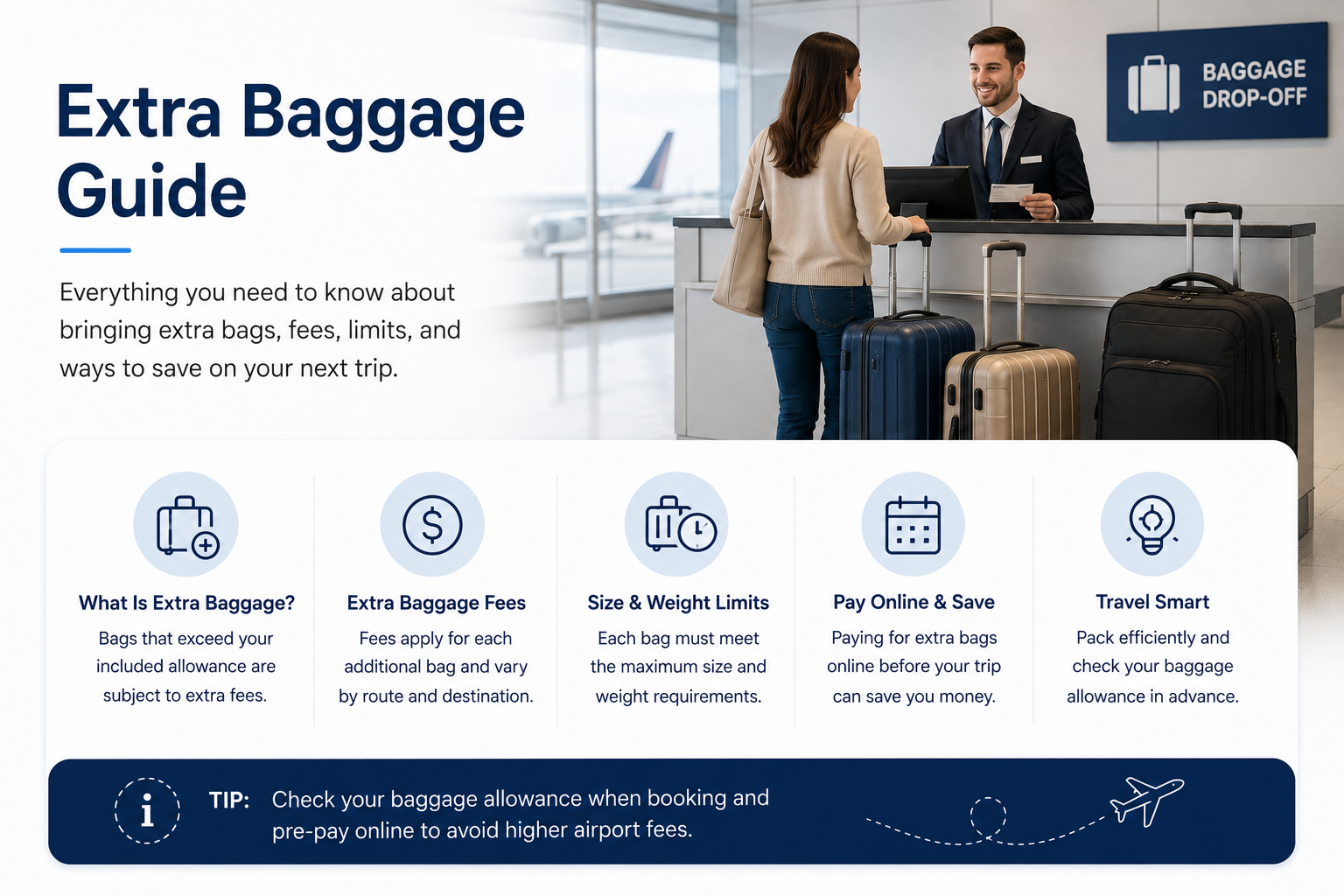
Travelling with more luggage than your ticket includes can quickly become expensive if you are unfamiliar with airline baggage rules. Understanding Alaska Airline Extra Baggage policies before arriving at the airport helps you avoid unexpected charges, speed up check-in, and ensure your belongings travel safely. Whether you are flying for business, relocating, taking an extended holiday, or carrying sports equipment, knowing how additional baggage works can save both time and money.
Alaska Airlines has established baggage guidelines covering checked luggage, extra bags, overweight baggage, oversized items, and special equipment. While purchasing additional baggage is usually straightforward, the total cost depends on several factors, including your destination, fare type, loyalty status, and the number of bags you check.
This guide explains everything travellers need to know, from baggage allowances and extra baggage fees to practical packing advice and expert recommendations for reducing travel costs.
What You’ll Understand
- What Alaska Airline extra baggage means
- Standard baggage allowance for different travellers
- Extra baggage fees and pricing factors
- Weight and size restrictions
- How to purchase additional baggage
- Airport check-in procedures
- Domestic versus international baggage rules
- Tips to avoid paying excess baggage fees
- Common baggage mistakes to avoid
- Frequently asked questions from travellers
What Is Alaska Airline Extra Baggage?
Alaska Airline Extra Baggage refers to any checked luggage beyond the standard baggage allowance included with your ticket or travel benefits. Instead of travelling with only the permitted number of checked bags, passengers can pay an additional fee to check extra luggage, provided it meets the airline’s weight and size requirements.
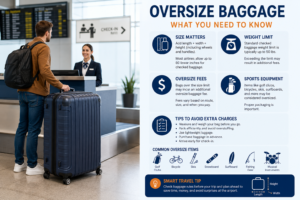
Extra baggage should not be confused with overweight or oversized baggage. These are separate categories and may incur additional charges even if you have already paid for an extra checked bag.
For example:
- A traveller checking three standard-sized bags is paying for extra baggage.
- A traveller checking one bag weighing more than the allowed weight may also pay an overweight baggage fee.
- A large golf bag or bicycle may be classified as oversized baggage depending on its dimensions.
Understanding these differences helps travellers estimate their total baggage costs more accurately before departure.
Understanding Alaska Airline Checked Baggage Allowance
Before purchasing additional luggage, it is important to understand the standard checked baggage allowance.
Your baggage allowance can vary depending on factors such as:
- Ticket type
- Cabin class
- Mileage Plan elite status
- Military eligibility
- Destination
- Partner airline itinerary
In general, passengers travelling on most standard fares can check luggage for an applicable fee, while elite members and certain premium travellers may receive complimentary checked bags as part of their travel benefits.
When checking baggage, travellers should ensure every suitcase meets the airline’s maximum size and weight requirements. Exceeding either limit may result in additional fees or refusal of transport for extremely heavy or oversized items.
Planning your luggage before arriving at the airport reduces stress and minimises the risk of unexpected baggage charges.
Who Should Purchase Alaska Airline Extra Baggage?
Additional baggage is particularly useful for travellers carrying more than the standard allowance.
Common examples include:
- Families travelling with children’s belongings
- Students moving between universities
- Business travellers carrying work equipment
- Long-term holiday travellers
- Adventure travellers with outdoor gear
- Professional photographers
- Musicians transporting instruments
- Seasonal workers relocating temporarily
- Military personnel travelling with authorised equipment
- Travellers bringing gifts during holidays
Instead of attempting to fit everything into one oversized suitcase, distributing belongings across multiple bags often makes travel safer and easier while helping avoid overweight baggage fees.
Factors That Affect Alaska Airline Extra Baggage Fees
Extra baggage charges are not always the same for every passenger. Several factors influence the final amount you may pay.
These include:
- Number of additional checked bags.
- Domestic or international destination.
- Fare purchased.
- Elite membership benefits.
- Airport where baggage is checked.
- Partner airline baggage agreements.
- Weight of each checked bag.
- Overall dimensions of the luggage.
- Type of sporting or special equipment.
- Seasonal operational restrictions.
Understanding these variables before booking helps travellers estimate costs more accurately and decide whether purchasing extra baggage or shipping luggage separately is the better option.
How to Purchase Alaska Airline Extra Baggage
Buying additional baggage before arriving at the airport is usually the easiest way to prepare for your journey. Planning ahead gives you time to review baggage rules, confirm your allowance, and avoid last-minute surprises during check-in.
Step 1: Review Your Booking
Before purchasing extra baggage, check:
- Your ticket type
- Existing checked baggage allowance
- Destination
- Connecting flights
- Loyalty programme benefits
- Special baggage requirements
Some passengers already qualify for complimentary checked bags through premium cabins or frequent flyer status, making additional purchases unnecessary.
Step 2: Estimate Your Luggage
Measure every suitcase before travelling.
Pay attention to:
- Total weight
- Overall dimensions
- Number of bags
- Fragile items
- Special equipment
Accurate measurements reduce the likelihood of unexpected fees at the airport.
Step 3: Add Extra Bags
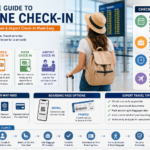
Additional baggage can typically be added during:
- Flight booking
- Booking management
- Online check-in (where available)
- Airport check-in
Purchasing earlier often creates a smoother airport experience.
Step 4: Keep Your Receipt
After purchasing extra baggage, save:
- Email confirmation
- Booking receipt
- Updated itinerary
- Payment confirmation
These documents can help resolve any baggage questions during check-in.
Alaska Airlines Baggage Weight and Size Limits
Every checked bag must comply with the airline’s size and weight standards.
Although allowances vary depending on your itinerary, most standard checked luggage should remain within the published weight and dimension limits.
Typical baggage considerations include:
| Baggage Feature | Standard Requirement |
|---|---|
| Maximum weight | Subject to airline policy |
| Maximum dimensions | Combined length + width + height within published limit |
| Secure packaging | Required |
| Identification tag | Recommended |
| Locked luggage | TSA-compatible lock preferred |
Travellers carrying unusually large items should verify eligibility before arriving at the airport.
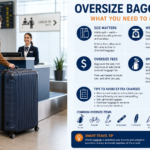
Alaska Airline Extra Baggage vs Overweight Baggage vs Oversized Baggage
Many passengers mistakenly believe these terms mean the same thing.
They are completely different.
| Type | Description | Additional Charges Possible |
|---|---|---|
| Extra baggage | More bags than your included allowance | Yes |
| Overweight baggage | Bag exceeds permitted weight | Yes |
| Oversized baggage | Bag exceeds permitted dimensions | Yes |
A traveller checking three bags may pay an extra baggage fee.
If one of those bags is also too heavy, an overweight fee may apply in addition to the extra baggage charge.
Likewise, if the suitcase exceeds the maximum dimensions, an oversized baggage fee could also be added.
Understanding these differences helps travellers estimate total travel costs more accurately.
Domestic and International Alaska Airline Extra Baggage Rules
Baggage policies can vary depending on your destination.
Domestic flights generally follow one set of baggage guidelines, while international routes may include additional considerations such as:
- Customs regulations
- Partner airline baggage policies
- International security requirements
- Different baggage allowances
- Multi-airline itineraries
If your journey includes another airline, baggage rules may be determined by the carrier operating the most significant portion of your trip.
Always review your itinerary carefully before purchasing extra luggage.
Special Items That May Require Additional Baggage
Many travellers carry equipment that requires special handling.
Examples include:
- Golf clubs
- Snowboards
- Skis
- Surfboards
- Fishing equipment
- Musical instruments
- Photography equipment
- Medical devices
- Mobility aids
- Camping equipment
Some items count as standard checked baggage, while others may be subject to specialised handling procedures or different fee structures.
Proper packaging greatly reduces the risk of damage during transport.
Tips to Avoid Paying Alaska Airline Extra Baggage Fees
Careful planning can significantly reduce baggage expenses.
Consider these practical strategies:
Pack More Efficiently
Choose versatile clothing that can be mixed and matched throughout your trip.
Rolling clothes instead of folding them often creates additional space.
Packing cubes also help organise luggage more efficiently.
Weigh Bags Before Leaving Home
A digital luggage scale costs far less than paying an overweight baggage fee.
Checking your suitcase weight beforehand allows you to redistribute items if necessary.
Wear Bulky Clothing
Heavy jackets, boots, and coats can often be worn instead of packed.
This frees valuable luggage space without affecting baggage weight.
Share Luggage
Families travelling together may distribute belongings across multiple suitcases instead of filling one bag beyond the weight limit.
Consider Shipping Large Items
For extended stays or relocations, shipping certain belongings separately may be more economical than paying multiple baggage fees.
Common Mistakes Travellers Make
Even experienced travellers occasionally encounter baggage issues.
Avoid these common errors:
- Assuming every fare includes checked baggage
- Forgetting to measure suitcase dimensions
- Ignoring weight restrictions
- Waiting until airport check-in to purchase extra baggage
- Packing prohibited items
- Failing to label luggage clearly
- Overlooking partner airline baggage rules
- Assuming elite benefits apply on every itinerary
- Bringing damaged luggage
- Packing valuable items inside checked baggage
Avoiding these mistakes helps reduce delays and unexpected costs.
Expert Recommendations for Stress-Free Travel
Travel professionals recommend preparing your baggage several days before departure rather than packing at the last minute.
A useful checklist includes:
- Confirm baggage allowance
- Review airline restrictions
- Weigh every suitcase
- Measure luggage dimensions
- Attach identification tags
- Photograph valuable luggage
- Keep receipts accessible
- Carry essential medication in your cabin bag
- Place chargers and important documents in your carry-on
- Arrive at the airport early if checking multiple bags
These simple habits make the check-in process faster and reduce travel stress.
Frequently Overlooked Baggage Restrictions
Some travellers focus only on luggage weight and forget that other restrictions also apply.
Examples include:
- Dangerous goods
- Lithium battery limitations
- Compressed gas containers
- Certain sporting equipment
- Sharp objects
- Flammable materials
- Wet-cell batteries
- Aerosol restrictions
- Chemical products
- Large power tools
Reviewing restricted-item guidance before packing helps prevent delays during security screening.
Industry Insights and Travel Trends
The airline industry continues to evolve its baggage services as passenger expectations change.
Recent travel trends show that more travellers are choosing to purchase baggage in advance through online booking management tools, reducing airport queues and improving the overall travel experience. Airlines are also investing in improved baggage tracking systems, allowing passengers to monitor checked luggage throughout their journey.
Another growing trend is the use of lightweight luggage. Modern suitcases made from durable composite materials weigh significantly less than older hard-shell designs, giving travellers more usable packing capacity while staying within weight limits.
Travel experts also note an increasing preference for minimalist packing. Instead of travelling with several heavy suitcases, many passengers plan wardrobes more efficiently and use laundry facilities during longer trips. This approach not only lowers baggage costs but also makes moving through airports and hotels much easier.
For business travellers, students, and families taking extended holidays, understanding extra baggage policies before departure remains one of the most effective ways to avoid unexpected expenses and enjoy a smoother travel experience.
Conclusion
Understanding Alaska Airline Extra Baggage policies before your trip can make travelling far more convenient and cost-effective. Whether you need one additional suitcase for a family holiday or several bags for an extended journey, planning ahead helps you avoid unexpected airport charges and unnecessary delays. By checking your baggage allowance, measuring and weighing your luggage, purchasing additional bags in advance when possible, and following the airline’s baggage guidelines, you can enjoy a smoother travel experience. Careful packing, awareness of weight and size limits, and familiarity with special baggage rules will help you travel with confidence and minimise stress from check-in to baggage claim.
Frequently Asked Questions
What is Alaska Airline Extra Baggage?
Extra baggage refers to any checked luggage that exceeds the standard baggage allowance included with your ticket or travel benefits. Additional fees generally apply for each extra checked bag.
Can I purchase extra baggage before my flight?
Yes. Travellers can typically add extra checked baggage during booking, through the Manage Booking section, during online check-in (where available), or at the airport check-in counter.
How many extra bags can I check?
The maximum number of checked bags accepted depends on your itinerary, aircraft type, destination, and operational limitations. Certain routes may have restrictions.
Does extra baggage include overweight baggage?
No. Extra baggage and overweight baggage are different. A bag that exceeds the permitted weight may incur an overweight fee even if you have already paid for an additional checked bag.
What happens if my suitcase exceeds the size limit?
Luggage that exceeds the permitted dimensions may be treated as oversized baggage and could be subject to additional handling requirements and fees.
Are baggage fees refundable?
In most situations, baggage fees are generally non-refundable once travel has commenced, although exceptions may apply depending on the circumstances and applicable policies.
Can elite members receive additional baggage benefits?
Yes. Eligible Mileage Plan elite members and passengers travelling in qualifying premium cabins may receive complimentary checked baggage benefits, subject to the fare and itinerary.
Can I check sports equipment as extra baggage?
Many sports items, such as skis, golf clubs, bicycles, and fishing equipment, may be accepted as checked baggage if they meet packaging requirements and applicable size or weight limits.
Should I weigh my bags before leaving home?
Absolutely. Using a luggage scale before travelling helps ensure your bags remain within the permitted weight limit and reduces the risk of overweight baggage fees.
What items should never be packed in checked baggage?
Important documents, passports, prescription medicines, electronic devices containing lithium batteries, valuable jewellery, cash, and fragile items should generally remain in your carry-on baggage whenever possible.