
Delta Airline Extra Baggage refers to any checked luggage that exceeds the standard baggage allowance included with your ticket. This may include additional checked bags, overweight luggage, oversized baggage, or specialty items that require extra handling.
Passengers can usually purchase extra baggage during booking, after booking through their reservation, during online check-in, or at the airport. The exact fees depend on the destination, fare type, baggage weight, dimensions, and frequent flyer status.
For most travelers, planning baggage requirements before departure is the easiest way to reduce travel expenses and avoid delays.
Delta Checked Baggage Allowance
Before purchasing extra baggage, it’s important to understand the standard checked baggage allowance.
The allowance depends on several factors, including:
- Fare class
- Travel destination
- Cabin class
- SkyMiles Medallion status
- Credit card benefits
- Military travel eligibility
Most standard economy travelers receive a checked baggage allowance based on the route they are flying. Premium cabin passengers generally enjoy higher baggage allowances, while elite members often receive complimentary checked bags.
Travelers should always verify their allowance before departure because international baggage policies may differ significantly from domestic routes.
Typical Checked Bag Requirements
Most checked bags must meet these general requirements:
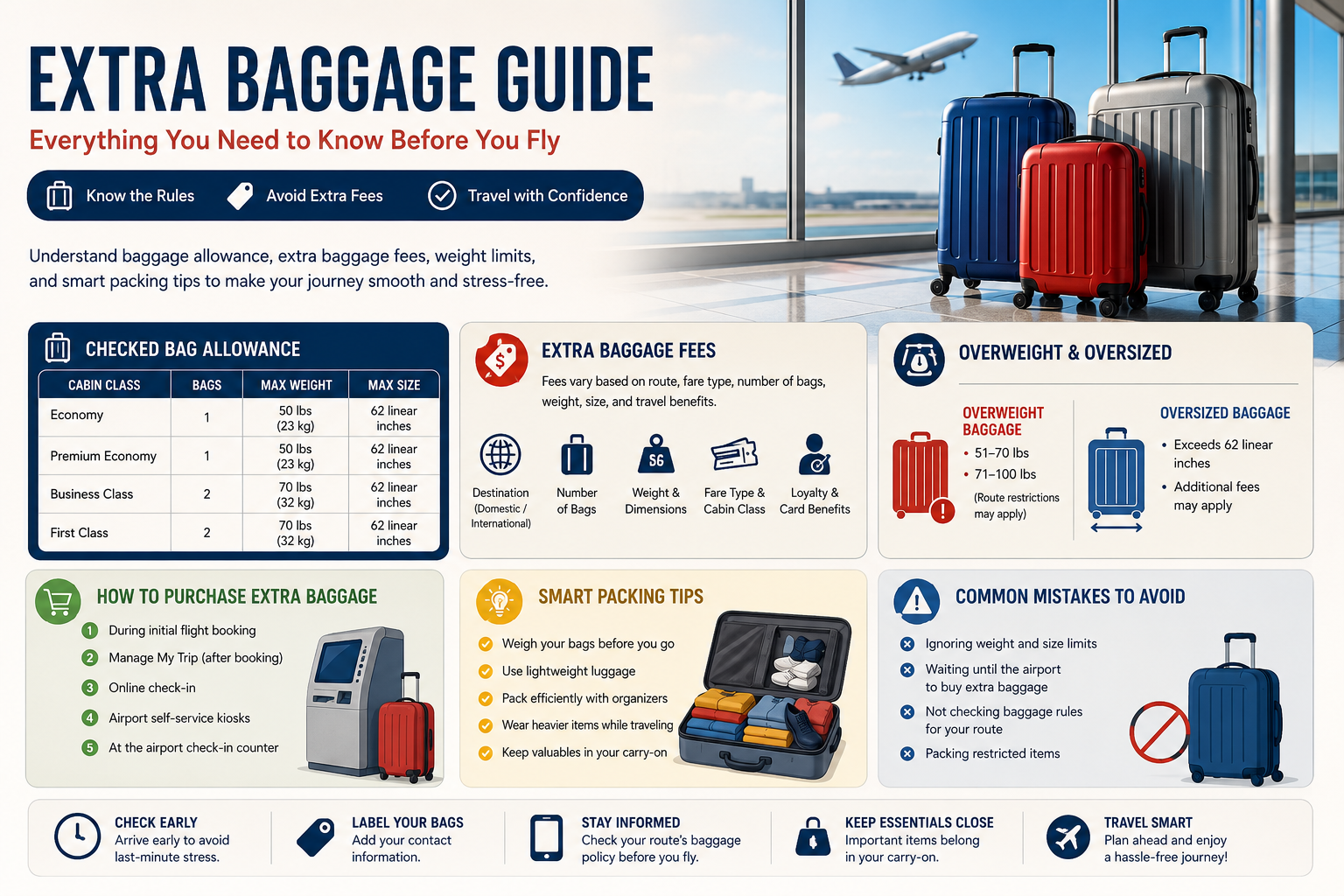
| Requirement | Standard Limit |
|---|---|
| Maximum Weight | Approximately 50 lbs (23 kg) |
| Premium Cabin Weight | Up to 70 lbs (32 kg) on eligible routes |
| Maximum Size | 62 linear inches (length + width + height) |
Any bag exceeding these limits may incur overweight or oversized baggage charges.
Delta Extra Baggage Fees
Extra baggage fees vary depending on the travel route and the total number of checked bags. Domestic and international flights often have different pricing structures, while partner-operated flights may follow separate baggage policies.
Factors influencing baggage fees include:
- Origin and destination
- Number of checked bags
- Weight of each bag
- Bag dimensions
- Fare purchased
- Frequent flyer benefits
Generally, the first additional checked bag costs less than later bags. Fourth and fifth checked bags usually carry significantly higher fees because they require additional cargo handling.
Many travelers save money by purchasing extra baggage before arriving at the airport instead of waiting until check-in.
Factors That Affect Extra Baggage Costs
Several variables determine your final baggage charges:
- Domestic versus international travel
- Economy or premium cabin ticket
- Elite membership benefits
- Military baggage exemptions
- Seasonal travel restrictions
- Connecting flights
- Codeshare partner airlines
- Airport-specific baggage regulations
Understanding these factors can help travelers estimate their total baggage expenses before booking.
Overweight and Oversized Baggage Rules
Not every extra baggage charge comes from bringing additional suitcases. Bags that exceed standard weight or size limitations often incur separate fees.
Overweight Baggage
A bag is generally considered overweight when it exceeds the standard weight allowance.
Examples include:
- 51–70 pounds
- 71–100 pounds (accepted only on certain routes)
Heavier bags require additional handling and may not be accepted on some international flights due to local airport restrictions.
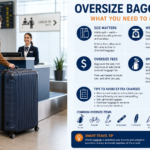
Oversized Baggage
Oversized baggage exceeds the standard size limit measured in total linear inches.
Examples may include:
- Large sporting equipment
- Oversized musical instruments
- Extra-large suitcases
- Display equipment
- Photography gear
Oversized bags often incur additional handling fees regardless of weight.
Common Mistakes Travelers Make
Many passengers accidentally exceed baggage limits because they:
- Pack souvenirs during return trips.
- Forget to weigh luggage at home.
- Use oversized suitcases.
- Combine multiple travelers’ belongings into one heavy bag.
- Assume premium baggage rules apply to all tickets.
Using a digital luggage scale before leaving home is one of the easiest ways to avoid unexpected baggage fees.
How to Purchase Delta Airline Extra Baggage
Purchasing extra baggage is usually a straightforward process. Travelers have several options depending on when they decide to add more luggage.
You can typically purchase additional baggage:
- During the initial flight booking.
- Through the “Manage My Trip” section after booking.
- During online check-in before departure.
- At airport self-service kiosks.
- At the airport check-in counter.
Buying baggage before arriving at the airport often provides a smoother travel experience because your luggage details are already linked to your reservation.
Business travelers and frequent flyers often review their baggage needs before departure to ensure all equipment, documents, or promotional materials fit within the purchased allowance without exceeding airline limits.
Delta Airline Extra Baggage for Domestic Flights
Travelers flying within the United States often have different baggage allowances and fee structures than those traveling internationally. Domestic baggage policies are generally easier to understand because they follow standardized weight and size limits across most routes.
When purchasing extra baggage for domestic travel, passengers should consider:
- Number of checked bags needed
- Total weight of each suitcase
- Size of each bag
- Departure and arrival airports
- Fare type
- Loyalty program benefits
If you are traveling during holidays or peak travel seasons, checking baggage early and arriving at the airport with enough time can make the process smoother.
Tips for Domestic Travelers
- Weigh every checked bag before leaving home.
- Label luggage clearly with your contact information.
- Remove old baggage tags.
- Pack valuable items in your carry-on bag.
- Keep medications and travel documents with you.
These simple steps help reduce delays and improve baggage handling.
Delta Airline Extra Baggage for International Flights
International travel usually involves more complex baggage policies because baggage allowances may vary by destination, government regulations, or partner airlines.
Many international routes include a more generous checked baggage allowance, especially for premium cabins. However, travelers should never assume the allowance is the same for every destination.
Before an international trip, verify:
- Checked baggage allowance
- Maximum permitted weight
- Number of bags allowed
- Customs restrictions
- Prohibited items
- Connecting airline baggage policies
International travelers carrying gifts, electronics, or business equipment should also review customs regulations for their destination country.
International Packing Recommendations
For longer trips, consider packing:
- Clothing suitable for changing weather
- Travel adapters
- Prescription medications
- Important documents
- Chargers and power banks
- Emergency essentials
- Copies of passports and visas
Keeping essential items in your carry-on protects you if checked baggage is delayed.
Cabin Classes and Their Baggage Benefits
The baggage allowance often depends on the cabin class purchased.
| Cabin Class | Typical Baggage Benefit |
|---|---|
| Basic Economy | Standard checked baggage rules apply based on route |
| Main Cabin | Standard baggage allowance |
| Delta Comfort+ | Similar baggage allowance with additional travel comfort |
| First Class | Higher checked baggage allowance on eligible routes |
| Delta Premium Select | Increased baggage allowance on many international routes |
| Delta One | Premium baggage benefits including higher weight limits on eligible routes |
Premium cabin travelers generally receive more generous baggage allowances, making these tickets attractive for long-distance travel or extended vacations.
SkyMiles Medallion Benefits for Extra Baggage
Frequent travelers enrolled in the SkyMiles Medallion program may qualify for complimentary checked baggage benefits.
Depending on membership level, travelers may receive:
- Complimentary first checked bag
- Additional free checked bags
- Higher baggage weight allowance
- Priority baggage handling
- Faster baggage delivery at select airports
These benefits can significantly reduce travel costs for passengers who fly frequently throughout the year.
Credit Card Benefits That May Reduce Baggage Costs
Certain airline-affiliated credit cards offer baggage-related travel benefits.
Possible advantages include:
- Free first checked bag
- Savings on baggage fees
- Travel insurance
- Priority boarding
- Airport lounge access
- Travel statement credits
Travelers who regularly check luggage may recover the annual card fee through baggage savings alone.
Special Baggage Rules
Some items require special handling because of their size, weight, or fragile nature.
Examples include:
- Golf clubs
- Skis
- Snowboards
- Surfboards
- Bicycles
- Scuba equipment
- Fishing gear
- Musical instruments
- Photography equipment
- Medical devices
Special baggage may be accepted as checked baggage if it meets the airline’s handling requirements. Certain oversized items may require additional fees or advance notice.
Travelers transporting valuable equipment should use protective hard-shell cases whenever possible.
Restricted and Prohibited Items
Not everything can be packed inside checked baggage.
Items commonly restricted include:
- Explosives
- Fireworks
- Flammable liquids
- Compressed gases
- Certain batteries
- Toxic chemicals
- Corrosive materials
- Illegal substances
Lithium batteries, electronic devices, and power banks often have separate transportation requirements. Always review current aviation safety regulations before packing.
How to Avoid Delta Airline Extra Baggage Fees
Many travelers unknowingly pay more than necessary for baggage. A little preparation can help you avoid unnecessary charges.
Practical Ways to Save Money
- Weigh your luggage before leaving home.
- Use lightweight suitcases.
- Wear heavier clothing while traveling.
- Share luggage with family members when allowed.
- Purchase extra baggage before arriving at the airport.
- Join the airline’s loyalty program.
- Consider travel credit cards with baggage benefits.
- Pack efficiently using compression cubes.
- Avoid oversized luggage whenever possible.
- Check baggage policies before every trip.
Even reducing your suitcase weight by a few pounds can prevent expensive overweight baggage charges.
Smart Packing Tips
Experienced travelers know that packing efficiently is just as important as understanding baggage rules.
Clothing Tips
- Choose versatile clothing.
- Roll clothes instead of folding.
- Limit duplicate outfits.
- Wear bulky shoes during travel.
- Pack lightweight fabrics.
Electronics Tips
Carry expensive electronics in your cabin bag whenever possible.
Examples include:
- Laptops
- Tablets
- Cameras
- Hard drives
- Mobile phones
Protect these items with padded cases.
Toiletries
Use travel-sized containers to reduce weight.
Place liquids inside sealed bags to prevent leaks.
What Happens If Your Bag Is Delayed?
Although most checked baggage arrives safely, delays occasionally occur due to weather, aircraft changes, tight connections, or operational issues.
If your luggage does not arrive:
- Visit the airline’s baggage service office before leaving the airport.
- File a delayed baggage report.
- Keep your baggage claim receipt.
- Provide your hotel or destination address.
- Save receipts for essential purchases if reimbursement policies apply.
- Track baggage updates through available airline tools.
Most delayed bags are reunited with their owners within a relatively short period.
What Happens If Your Bag Is Lost?
Lost baggage is uncommon, but travelers should know what to do.
Take these steps immediately:
- Report the missing bag.
- Provide an accurate luggage description.
- Share your baggage tag number.
- List important contents.
- Update your contact information.
- Keep copies of all paperwork.
Using unique luggage tags and colorful straps makes identification easier.
Common Baggage Mistakes to Avoid
Many baggage issues can be prevented with careful planning.
Avoid these common mistakes:
- Packing at the last minute.
- Ignoring baggage size limits.
- Exceeding weight restrictions.
- Forgetting identification tags.
- Packing prohibited items.
- Checking valuable jewelry.
- Carrying fragile items without protection.
- Assuming all airlines follow identical baggage rules.
Small mistakes often lead to unnecessary stress and additional costs.
Expert Recommendations for Stress-Free Travel
Travel professionals recommend planning baggage needs before purchasing your ticket.
Some of the best practices include:
- Review baggage rules before every trip.
- Purchase extra baggage early if needed.
- Use durable luggage with quality wheels.
- Keep important documents in your carry-on.
- Photograph your suitcase before check-in.
- Save digital copies of baggage receipts.
- Use luggage trackers for added peace of mind.
- Leave extra space for return-trip purchases.
Planning ahead not only saves money but also reduces airport stress and helps ensure a smoother travel experience.
Can I buy extra baggage after booking?
Yes. In most cases, additional checked baggage can be added after booking through the reservation management section, during online check-in, or at the airport before departure.
Does extra baggage cost the same for every route?
No. Fees depend on the destination, route, cabin class, baggage weight, size, and any applicable loyalty or travel benefits.
Is there a limit to the number of bags I can check?
The maximum number of checked bags accepted depends on the route and operational limitations. Additional bags beyond the standard allowance may be accepted for an extra fee, subject to space availability and applicable baggage policies.
Conclusion
Understanding Delta Airline Extra Baggage policies before your journey can help you travel with greater confidence, avoid unexpected fees, and enjoy a smoother airport experience. Whether you’re flying domestically or internationally, the total cost of extra baggage depends on factors such as your destination, cabin class, baggage weight, dimensions, and eligibility for travel benefits. By weighing your luggage in advance, packing efficiently, reviewing baggage allowances before departure, and purchasing additional baggage when needed, you can minimize travel hassles and focus on enjoying your trip. Careful planning ensures your baggage meets airline requirements while helping you avoid unnecessary expenses and delays.
Frequently Asked Questions
What is Delta Airline Extra Baggage?
Delta Airline Extra Baggage refers to any checked luggage that exceeds the standard baggage allowance included with your ticket, including additional, overweight, or oversized bags.
Can I purchase extra baggage before my flight?
Yes. Travelers can usually add extra baggage during booking, after booking through the reservation management page, during online check-in, or at the airport.
How much does Delta charge for extra baggage?
Extra baggage fees vary depending on your destination, fare type, baggage weight, dimensions, and the number of checked bags.
What is the maximum weight for a checked bag?
For many routes, the standard maximum weight is approximately 50 pounds (23 kg), while eligible premium cabin travelers may receive higher weight allowances.
What happens if my bag exceeds the weight limit?
Overweight baggage may incur additional fees or may not be accepted if it exceeds the airline’s maximum allowable weight.
Can I check oversized luggage?
Yes. Oversized baggage is generally accepted if it meets operational requirements, although additional charges usually apply.
Does cabin class affect baggage allowance?
Yes. Premium cabins often include additional checked baggage benefits and higher weight limits.
Do SkyMiles Medallion Members receive free checked bags?
Eligible SkyMiles Medallion Members may receive complimentary checked baggage benefits based on their membership tier.
Are sports equipment and musical instruments accepted?
Yes. Many types of sports equipment and musical instruments can be checked, provided they comply with applicable size, weight, and packing requirements.
Can I track my checked baggage?
In many cases, travelers can monitor baggage status using available baggage tracking tools and services.
What should I do if my baggage is delayed?
Report the delay immediately at the airport baggage service office, keep your baggage receipt, and follow the tracking updates until your luggage is delivered.
What items should never be packed in checked baggage?
Avoid packing important documents, medications, valuable electronics, jewelry, cash, and other essential personal items in checked baggage whenever possible.
How can I reduce extra baggage charges?
Pack efficiently, weigh luggage before departure, use lightweight suitcases, review baggage policies in advance, and take advantage of eligible loyalty or credit card benefits.