
Travelling can be an exciting experience for children, but when a child flies alone, parents naturally have questions about safety, eligibility, airport procedures, and booking requirements. The Delta Airline Unaccompanied Minor programme is designed to provide additional supervision and assistance for young travellers, helping them navigate every stage of their journey with confidence.
Whether your child is taking a short domestic trip to visit relatives or travelling across the country for school, sports, or holidays, understanding how the programme works can make the experience far less stressful. From check-in to arrival, Delta has procedures intended to support children travelling without a parent or legal guardian.
This guide explains everything parents should know before booking, including age requirements, travel policies, airport procedures, documentation, fees, safety measures, and expert tips for ensuring a smooth journey.
What You Will Learn
- What the Delta Airlines Unaccompanied Minor programme is
- Age eligibility requirements
- Which children must use the service
- Domestic and international travel rules
- Booking process explained step by step
- Required travel documents
- Airport check-in procedures
- Boarding and in-flight assistance
- Flight connections
- Arrival and pick-up process
- Safety procedures
- Helpful preparation tips
- Common mistakes to avoid
- Frequently asked questions
What Is the Delta Airline Unaccompanied Minor Programme?
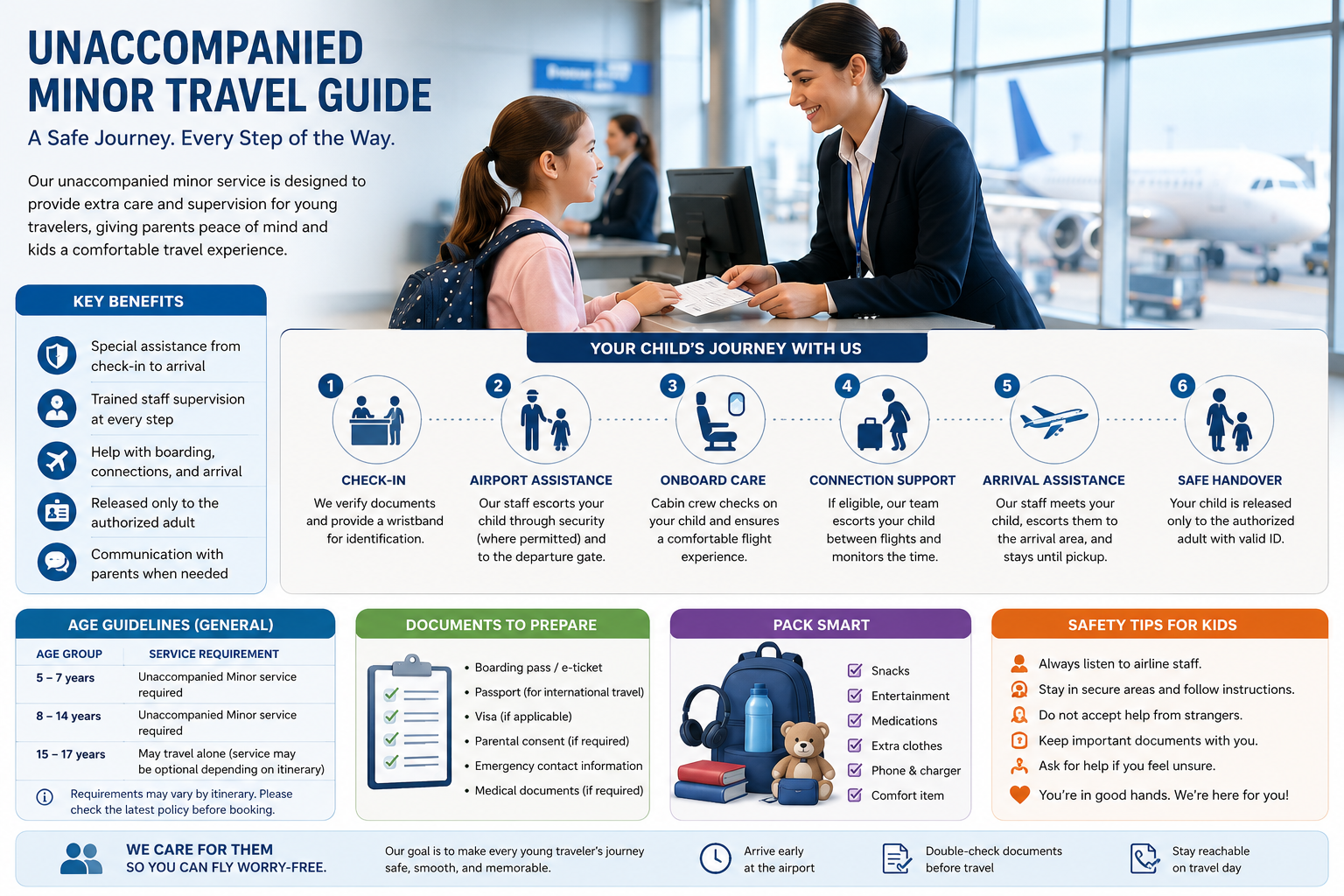
The Delta Airlines Unaccompanied Minor programme is a specialised travel service that provides additional supervision and support for children flying without a parent, guardian, or another responsible adult. Airline employees assist eligible children during important stages of the journey, including check-in, boarding, flight connections where permitted, and arrival.
Rather than allowing young travellers to navigate busy airports independently, trained staff help guide them through each step of the travel experience. Parents and guardians also receive clear instructions regarding drop-off and pick-up procedures to help ensure the child’s safety throughout the journey.
In simple terms, the programme offers extra assistance designed to make solo travel more organised, secure, and comfortable for children.
Why Families Choose the Service
Parents often need children to travel independently for many reasons, including:
- Visiting grandparents during school holidays
- Spending time with separated parents
- Attending summer camps
- Participating in sporting events
- Educational programmes
- Family emergencies
- School trips
- Cultural exchange programmes
For many families, the unaccompanied minor programme offers reassurance that their child will receive structured support throughout the travel experience.
Delta Airline Unaccompanied Minor Age Requirements
Age is one of the most important factors when determining whether a child may travel alone and whether the unaccompanied minor service is required.
Although airline policies can change, children are generally grouped into different travel categories based on age.
| Child’s Age | Typical Travel Status | Extra Assistance |
|---|---|---|
| Young children | Service generally required | Full supervision |
| Older children | Service may be mandatory depending on age | Airport assistance |
| Teenagers | May travel independently if eligible | Optional in some situations |
Parents should always verify the latest eligibility rules before finalising travel plans, particularly for international journeys or itineraries involving connecting flights.
Who Can Book a Delta Airline Unaccompanied Minor Reservation?
A parent or legal guardian is generally responsible for arranging travel for an unaccompanied child. During booking, travellers may need to provide information such as:
- Child’s full legal name
- Date of birth
- Emergency contact information
- Parent or guardian contact details
- Pick up contact information
- Identification details, where applicable
- Flight itinerary
- Destination information
Providing accurate information helps airline staff verify authorised adults during both departure and arrival.
How the Booking Process Works
Booking travel for an unaccompanied minor involves additional steps compared with a standard flight reservation.
A typical booking process includes:
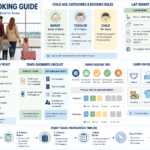
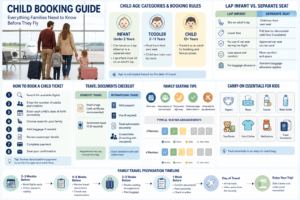
- Confirm the child’s eligibility based on age.
- Choose suitable flights with acceptable routing.
- Provide the required passenger information.
- Review applicable service fees.
- Supply emergency contact details.
- Confirm authorised adults for drop-off and pick-up.
- Review travel documentation requirements.
- Complete the reservation.
- Arrive early at the airport on departure day.
Parents are encouraged to avoid last-minute bookings whenever possible, as additional verification may be required before travel.
Required Travel Documents
The documentation needed depends on factors such as the child’s age, destination, and whether the journey is domestic or international.
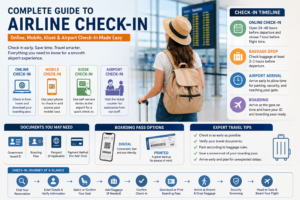
Parents should prepare documents such as:
- Boarding confirmation
- Government-issued identification is required
- Birth certificate, if requested
- Passport for international travel
- Visa when applicable
- Travel consent documentation, if necessary
- Emergency contact list
- Medical information for special needs
- Medication instructions if relevant
Keeping both printed and digital copies of important documents can help avoid unnecessary delays during check-in.
Preparing Your Child Before Travel
Children often feel more confident when they know exactly what to expect before arriving at the airport. Parents can help by discussing each stage of the journey and answering any questions in advance.
Useful preparation tips include:
- Explain the airport process in simple language.
- Teach the child to recognise airline employees.
- Review the boarding procedure together.
- Practise identifying important travel documents.
- Pack entertainment such as books or colouring materials.
- Include snacks that comply with airport security rules.
- Label luggage clearly with contact information.
- Discuss what to do if they feel uncertain or need assistance.
- Encourage them to stay with authorised airline staff throughout the journey.
Preparing children emotionally, as well as practically, can significantly improve their confidence and make solo travel a positive experience.
Airport Check-In Process for an Unaccompanied Minor
The airport experience begins well before boarding. Parents or legal guardians should plan to arrive earlier than they would for a standard flight, allowing extra time for document verification and check-in procedures.
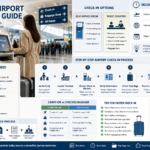
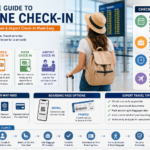
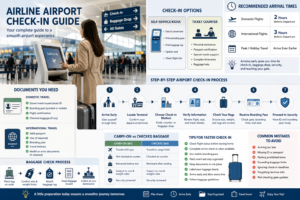
A typical check-in process includes:
- Arrive at the airport at least two to three hours before departure, depending on the destination.
- Visit the airline’s check-in counter rather than using self-service kiosks.
- Present the child’s travel documents and any required identification.
- Complete any forms related to the unaccompanied minor service.
- Provide the names and contact details of the authorised adult collecting the child.
- Receive instructions about gate access and boarding.
- Stay at the airport until the flight has departed.
Many airports issue a gate pass to allow a parent or guardian to accompany the child through security to the departure gate where permitted.
What Happens Before Boarding?
Once check-in is complete, airline staff guide the child through the remaining pre-flight steps.
These may include:
- Escorting the child through security where applicable
- Helping locate the departure gate
- Explaining the boarding process
- Introducing the child to the gate agents
- Ensuring the child boards before general passengers
This extra attention helps children become comfortable with the travel process and gives parents additional peace of mind.
In-Flight Assistance for Children Travelling Alone
Cabin crew play an important role in supporting young travellers throughout the flight. While flight attendants are not personal caregivers, they regularly check on children enrolled in the unaccompanied minor programme.
During the flight, staff may:
- Welcome the child on board
- Help store carry-on luggage
- Assist with seatbelt use if necessary
- Offer meals or refreshments available on the flight
- Answer questions during the journey
- Provide reassurance if the child feels nervous
- Coordinate with the arrival staff before landing
Children are encouraged to remain seated unless they need assistance and should always follow crew instructions.
Can an Unaccompanied Minor Take Connecting Flights?
Connecting flights often raise the biggest concerns for parents. Travelling through a busy airport can be confusing for young passengers, so additional supervision is especially important.
Where eligible itineraries are permitted, airline staff typically:
- Meet the child after landing
- Escort them between the gates
- Monitor the connection time
- Help with boarding the next flight
- Keep communication coordinated between airport teams
Parents should consider booking itineraries with reasonable connection times to reduce stress and minimise the risk of missed flights.
Whenever possible, direct flights are often the simplest and most convenient choice for younger children.
What Happens if a Flight Is Delayed or Cancelled?
Flight disruptions can happen because of weather, air traffic restrictions, or operational issues. Airlines have procedures to help protect children travelling alone during these situations.
Depending on the circumstances, airline staff may:
- Keep the child under supervision
- Contact the parent or guardian using the information provided during booking
- Arrange alternative travel when available
- Coordinate with the authorised adult at the destination
- Continue monitoring the child until travel resumes
Parents should ensure that emergency contact numbers remain available throughout the travel day in case staff need to communicate unexpected changes.
Picking Up an Unaccompanied Minor After Arrival
The arrival process is carefully managed to ensure children are released only to the authorised individual listed during booking.
The collection process usually includes:
- The child remains with the airline staff after leaving the aircraft.
- Staff escorts the child to the designated arrival area.
- The authorised adult presents valid identification.
- Airline personnel verify the adult’s identity.
- The child is released only after all verification procedures have been completed.
Anyone collecting the child should arrive at the airport early to avoid unnecessary delays.
Essential Packing Checklist
Packing thoughtfully helps children feel prepared and comfortable throughout their journey.
Recommended items include:
- Boarding documents
- A passport if travelling internationally
- Emergency contact information
- Mobile phone if age appropriate
- Fully charged power bank, where permitted
- Headphones
- Books or activity books
- Snacks approved for air travel
- Refillable water bottle for use after security
- Sweater or light jacket
- Necessary medications
- Small comfort item, such as a favourite toy or blanket for younger children
Avoid placing important travel documents inside checked baggage.
Safety Tips for Parents
Preparing a child for solo travel involves more than packing a suitcase. Teaching basic travel safety can make a significant difference.
Helpful advice includes:
- Teach your child to identify airline employees by their uniforms and identification badges.
- Explain that they should never leave the airport with anyone other than authorised airline staff or the approved adult collecting them.
- Encourage them to ask questions whenever they feel uncertain.
- Memorise at least one emergency contact number.
- Keep travel documents easily accessible.
- Explain what happens during security screening to reduce anxiety.
- Remind them to stay near airline staff during connections.
Children who understand these simple rules often feel more confident and independent.
Common Mistakes Parents Should Avoid
Even experienced travellers can overlook important details when arranging solo travel for a child.
Some of the most common mistakes include:
- Booking complicated itineraries with multiple connections
- Arriving late at the airport
- Forgetting required travel documents
- Providing outdated emergency contact information
- Packing medications inside checked baggage
- Failing to explain the travel process to the child
- Assuming every destination has identical documentation requirements
- Not checking the latest airline policies before departure
Planning ahead helps avoid unnecessary stress on the day of travel.
Domestic vs International Travel
The requirements for domestic and international journeys can differ significantly.
| Feature | Domestic Travel | International Travel |
|---|---|---|
| Passport | Usually not required for eligible domestic routes | Required in most cases |
| Visa | Not applicable | May be required depending on the destination |
| Customs | Not applicable | Required upon arrival in many countries |
| Immigration | Not applicable | Required |
| Additional Consent Forms | Sometimes | Frequently required depending on the destination |
| Processing Time | Generally shorter | Often longer |
Parents should research the entry requirements for the destination country well before departure.
Expert Recommendations for a Smooth Journey
Travel professionals recommend several best practices that can improve the experience for both parents and children.
These include:
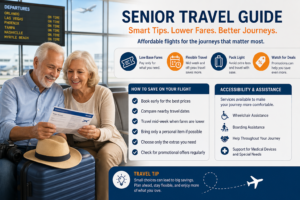
- Book flights well in advance.
- Choose morning departures when possible, as they are generally less affected by delays.
- Select nonstop flights whenever available.
- Review travel policies several days before departure.
- Double-check all contact information.
- Pack essential items in carry-on luggage.
- Prepare children by discussing each step of the journey.
- Stay reachable until the child has safely arrived.
These simple preparations can reduce stress and improve the overall travel experience.
Quick Answers
Can a child travel alone on Delta Airlines?
Yes, eligible children can travel alone using the airline’s unaccompanied minor programme, which provides additional supervision during check-in, boarding, the flight, eligible connections, and arrival.
Does the programme improve safety?
The programme is designed to provide structured assistance by trained airline personnel, helping ensure that children receive guidance throughout their journey and are released only to an authorised adult at their destination.
What documents should parents prepare?
Parents should have the child’s travel confirmation, identification or passport when required, emergency contact information, and any destination-specific documents such as visas or consent forms for international travel.
Conclusion
The Delta Airlines Unaccompanied Minor programme is designed to make independent travel safer and more organised for young passengers while giving parents greater confidence throughout the journey. From booking and check-in to boarding, in-flight assistance, flight connections, and arrival, each stage follows procedures intended to support children travelling without a parent or guardian.
The key to a successful trip is preparation. Confirm eligibility, review the latest travel requirements, gather all necessary documents, arrive at the airport early, and explain the travel process to your child before departure. By planning ahead and understanding how the programme works, families can help ensure that a child’s first solo flight is a positive, comfortable, and memorable experience.
Frequently Asked Questions (FAQs)
1. What is the Delta Airline Unaccompanied Minor program?
The Delta Airlines Unaccompanied Minor program is a service designed to assist eligible children who travel without a parent or legal guardian. It provides additional supervision during check-in, boarding, eligible flight connections, and arrival to help make solo travel safer and more organized.
2. What is the minimum age for a child to fly alone on Delta Airlines?
The minimum age depends on Delta’s current unaccompanied minor policy and the itinerary. Younger children are generally required to use the service, while older teenagers may be allowed to travel independently. Always verify the latest age requirements before booking.
3. Does Delta Airlines charge an unaccompanied minor fee?
Yes. Delta generally charges an Unaccompanied Minor service fee in addition to the airfare. The exact fee may change, so check the airline’s latest pricing when making a reservation.
4. Can a 14-year-old fly alone on Delta Airlines?
Yes. Depending on Delta’s current policy, a 14-year-old may be eligible to travel alone. Whether the Unaccompanied Minor service is required or optional depends on the airline’s age guidelines and travel itinerary.
5. How do I book a Delta Airline Unaccompanied Minor reservation?
A parent or legal guardian should make the reservation by providing the child’s personal information, emergency contacts, and the details of the adults responsible for drop-off and pick-up. Additional verification may be required during booking.
6. What documents are required for a child flying alone?
Required documents may include:
- Flight confirmation
- Government-issued identification when applicable
- Passport for international travel
- Visa if required
- Parental consent documents for certain destinations
- Emergency contact information
- Medical information if necessary
Document requirements vary depending on the destination.
7. Can an unaccompanied minor travel on international flights?
Yes. Eligible children may travel internationally if they meet Delta’s requirements and have all necessary travel documents, including a valid passport, visa (if required), and any country-specific consent forms.
8. Can parents accompany their child to the departure gate?
In many airports, parents or guardians may receive a gate pass that allows them to escort their child through security to the departure gate. Availability depends on airport security policies.
9. What happens if the flight is delayed or cancelled?
If a delay or cancellation occurs, airline staff continue supervising the child and communicate with the parent or guardian using the contact information provided during booking. They also assist with rebooking when necessary.
10. Can children take connecting flights?
Some connecting itineraries are permitted under the Unaccompanied Minor program. When eligible, airline staff escort the child between flights and help ensure they board the next aircraft safely.
11. Who is allowed to pick up an unaccompanied minor after landing?
Only the authorized adult listed during the booking process can collect the child. The person must present valid government-issued identification before the child is released.
12. How early should parents arrive at the airport?
Parents should arrive at least two to three hours before departure to complete check-in, verify documents, and finish any additional procedures required for unaccompanied minor travel.
13. What should my child pack in their carry-on bag?
A child should carry:
- Boarding documents
- Passport or ID (when required)
- Emergency contact information
- Snacks
- Entertainment
- Headphones
- Necessary medications
- Charger or power bank (where permitted)
- Light jacket or sweater
Keep important documents in the carry-on rather than checked baggage.
14. Is the Unaccompanied Minor program safe?
The program is designed to enhance safety by providing additional supervision from trained airline personnel throughout the child’s journey. Staff monitors the child’s progress from check-in until they are released to the authorized adult at the destination.
15. What are the best tips for preparing a child to fly alone?
To help ensure a smooth journey:
- Explain each stage of the trip before departure.
- Arrive early at the airport.
- Label all luggage clearly.
- Review airport safety rules.
- Pack essential documents in the carry-on.
- Teach the child to seek help only from airline employees.
- Keep your phone available until the child reaches their destination.